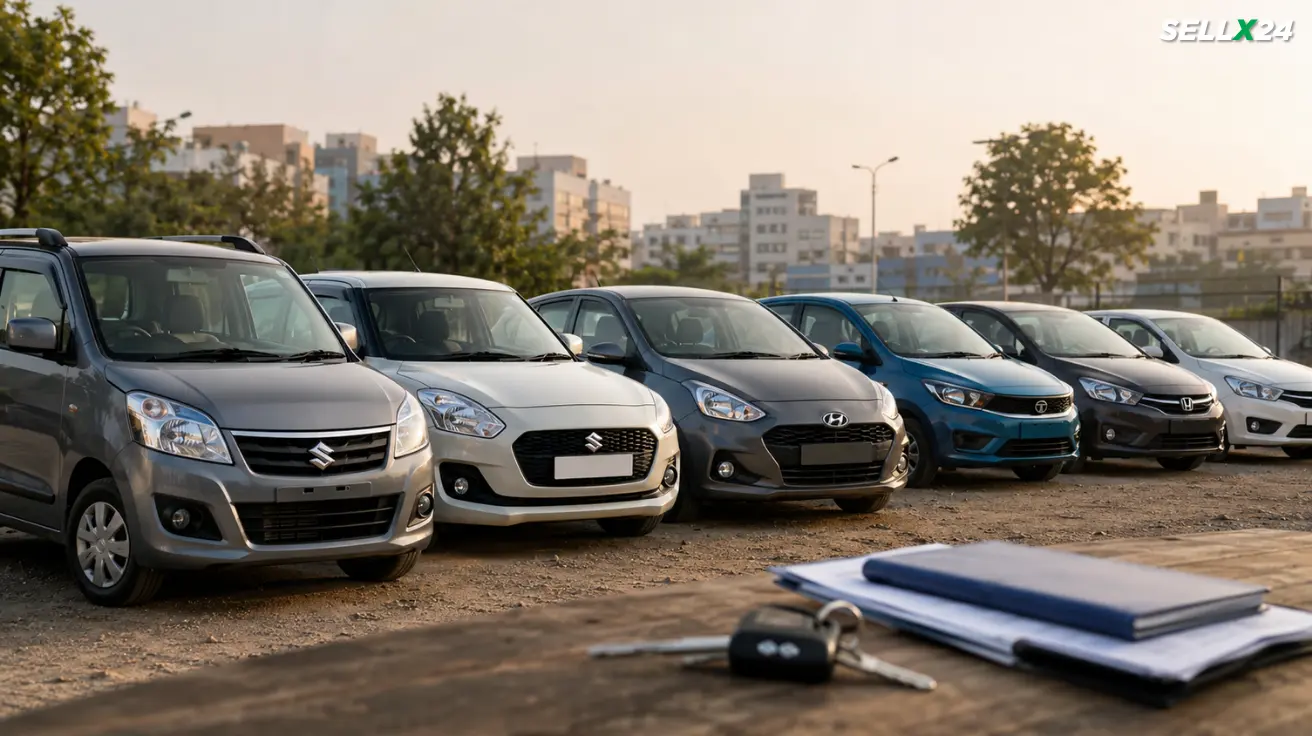
Five lakh rupees buys a different car in 2026 than it did three years ago. When GST on small petrol cars was cut to 18 per cent in September 2025, new hatchback prices came down, and that pressure has worked its way into used cars under 5 lakhs. Sellers still quoting last year's number are the ones sitting on unsold listings.
What used cars under 5 lakhs actually get you in 2026
A five to nine year old petrol hatchback with 50,000 to 90,000 km on it. Or an older mid-size sedan that one owner looked after properly. You don't get both age and size at this price, and anyone promising a 2021 SUV in this bracket is selling you a story.
The bottom half of the range, roughly two to three lakh, is where things get risky. Cars in that band are often pre-BS-IV, which now matters far more than it used to, and their maintenance backlog wipes out whatever you saved.
The shortlist worth your time
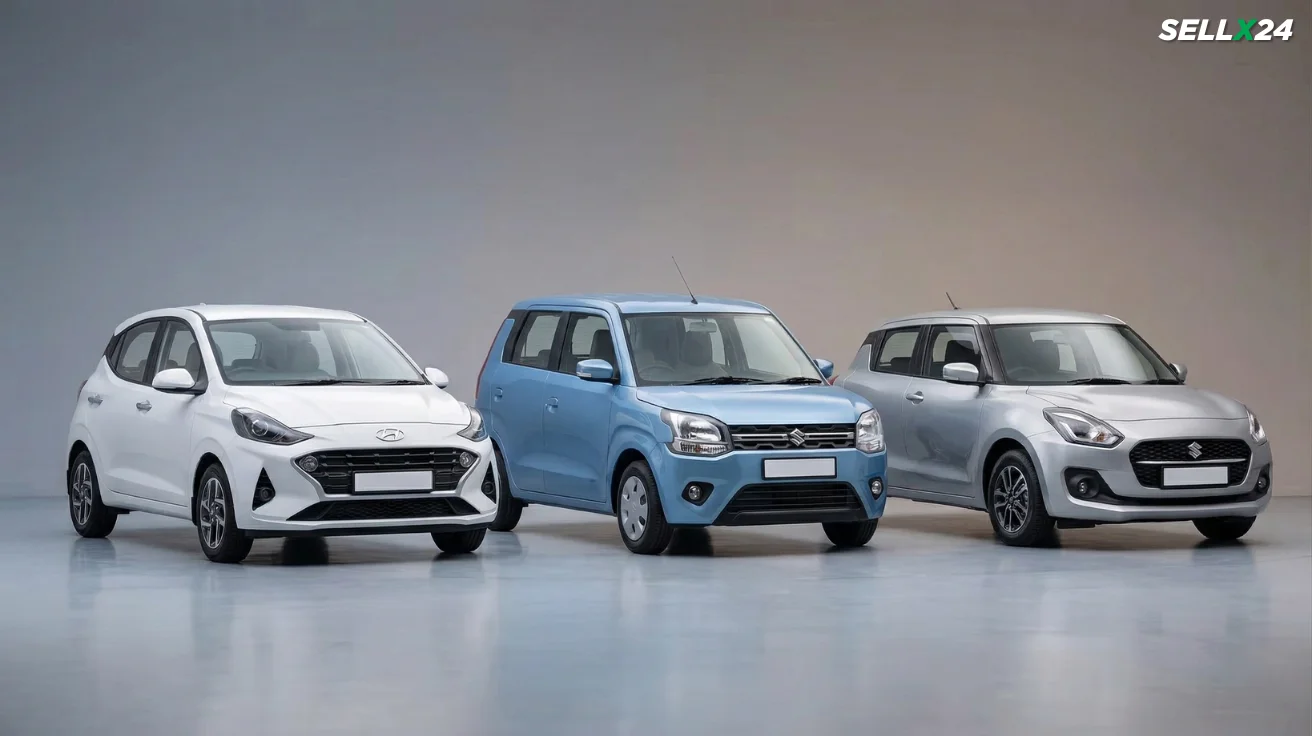
Maruti Suzuki Wagon R
The boring correct answer for most first-time buyers. The 1.0-litre K10 and 1.2-litre K12 petrol engines are simple enough for any roadside mechanic, and parts are the cheapest of anything here. Tall seating helps elderly passengers in and out, and the light steering forgives a nervous driver. Five lakh usually lands a 2017 to 2020 car.
Maruti Suzuki Swift
Costs more than a Wagon R of the same year because demand never really drops. That premium comes back when you sell, which makes it the safer buy if you'll change cars in three or four years. The 1.2 petrol is dependable. The ride is firmer and the rear seat tighter, so it suits a couple better than a family.
Hyundai Grand i10
Better cabin materials and a softer ride than the Maruti pair, usually a little cheaper for the same year because Hyundai resale is weaker. The 1.2 Kappa petrol is unfussy and service costs sit only marginally above Maruti's. Variant matters more here than usual, since the higher trims carry features you'd otherwise pay well above budget for.
Tata Tiago
The pick if crash safety is your first filter rather than your last. It scored 4 stars in Global NCAP testing when several rivals managed one or two, and it feels more planted on a highway than a Wagon R. The trade-offs are softer resale and a thinner service network in smaller towns. On early cars, check the electricals and air conditioning before you commit.
Honda City and Amaze
The value play if you need a real boot and adult rear legroom. A well-kept 2013 to 2015 City with the 1.5 i-VTEC is far more car than any hatchback here, and those engines run past two lakh km with servicing. You pay in running costs: bigger tyres, higher insurance, more fuel. The Amaze is the same idea, smaller and cheaper.
Maruti Suzuki Celerio and Alto K10
Worth a look only if your budget is closer to three lakh than five. Both are cheap to buy, cheap to insure and easy to sell on. Neither is comfortable at highway speeds with four aboard, and the older Alto offers very little in a crash. Fine as a second car, weak as an only car.
What I'd skip
Diesel, first. At this budget the engine in front of you has usually crossed 1.2 lakh km, and one injector set or turbo job can cost a third of the car's value. It only pays back at around 1,500 km a month on highways, and resale is getting harder in the north. Second, be wary of brands whose service networks have shrunk. Ford stopped manufacturing in India in 2021, and while parts support continues, sourcing them outside the metros takes longer than for a Maruti.
When CNG makes sense
If you drive 60 km a day in a city with reliable CNG stations, a factory-fitted CNG car pays for itself. Check that the kit is endorsed on the RC. An unendorsed aftermarket kit gives your insurer a reason to reject a claim and your RTO a reason to refuse a fitness certificate.
Emission norms now matter more than the odometer
This is the part most buyers get wrong. In Delhi NCR, diesel vehicles above 10 years and petrol vehicles above 15 years have been treated as end-of-life since the NGT order of 2015, upheld by the Supreme Court in 2018. In August 2025 the Supreme Court paused coercive action against such owners, then modified that in December 2025 so the protection applies only to vehicles meeting BS-IV norms or newer. Anything BS-III or older is back in the firing line, and the CAQM fuel ban on end-of-life vehicles has rolled out in phases across NCR districts.
So if you're buying in Delhi, Gurugram, Noida, Ghaziabad or Faridabad, check the emission standard, not just the year. Check the month of manufacture rather than the month of registration too, because a car built in late 2009 and registered in 2010 may still be BS-III.
Outside NCR there's no blanket age ban. Under the Motor Vehicles Act, a private car needs re-registration at 15 years, renewed every five years after that and subject to a fitness test. Green tax on older vehicles is set by states, so a 12-year-old car in Maharashtra and the same car in Karnataka won't cost the same to keep on the road. All of this reflects the position as it stands now, and both the central government and state authorities can change these rules at short notice.
The paperwork that decides whether it was a good deal
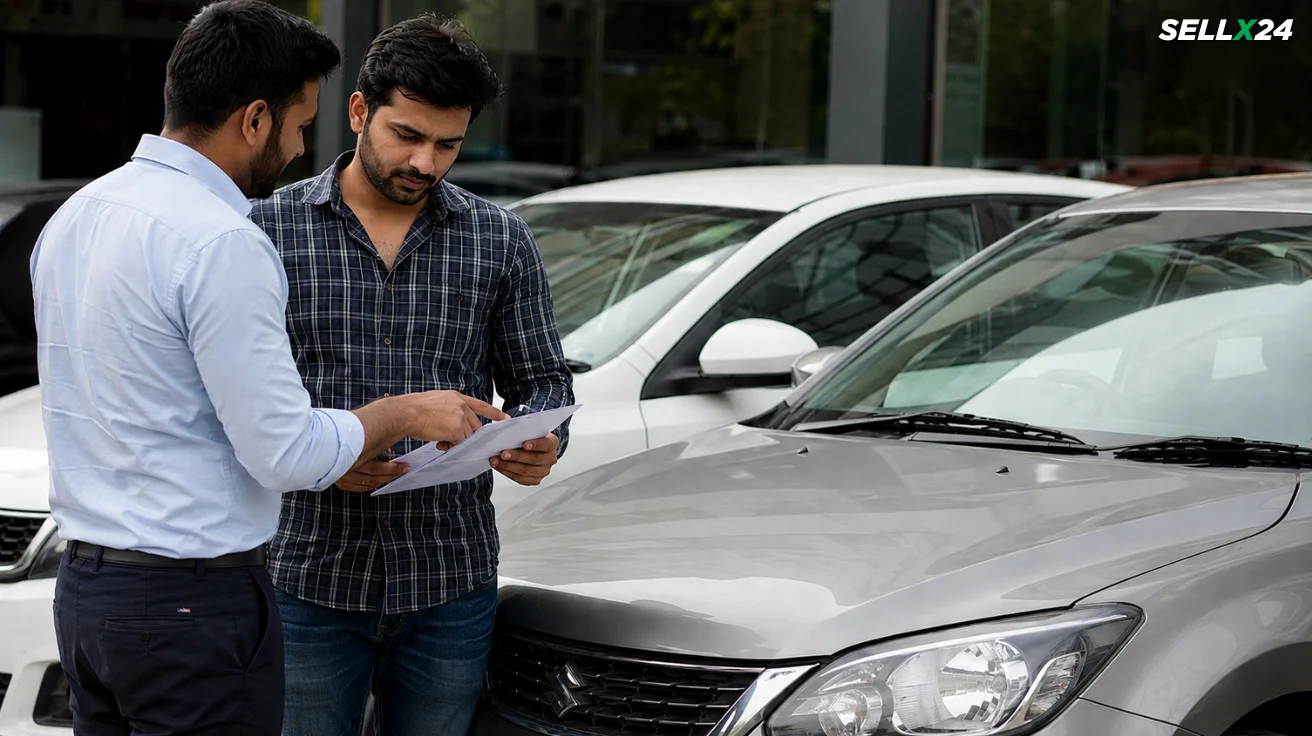
Ownership transfer runs on Form 29, filed by the seller as notice of transfer, and Form 30, filed by the buyer. Section 50 of the Motor Vehicles Act requires this within 14 days of sale. The statutory fee under Rule 81 of the Central Motor Vehicles Rules is generally ₹300 to ₹500 for a light motor vehicle, plus around ₹200 for the smart card. State RTOs add their own service and postal charges, so the final figure varies by state.
If the car had a loan, the hypothecation must be removed first using Form 35 with the lender's NOC. Skip this and the transfer gets rejected. An interstate purchase also needs Form 28, the NOC from the original registering authority, and you should start that 30 to 45 days early.
Before you pay, run the registration number through the e-challan system maintained by Parivahan, because pending fines block RC services, and confirm the vehicle isn't blacklisted. Insurance is the one people forget. Until the policy is in your name, the previous owner stays exposed on third-party claims and your own claim can be contested on an RC mismatch.
Dealer or private seller
Since January 2025, GST-registered used-car dealers pay 18 per cent GST on their margin, not on the sale price. A private seller pays no GST at all. That difference, plus the dealer's own margin, is why the same car costs 30,000 to 60,000 more on a forecourt than in a private deal.
What you're paying for is reconditioning, a limited warranty, and someone to shout at. If you have a mechanic you trust, buy privately and put the savings into repairs. A marketplace like sellx24.com sits in between, letting you deal directly with the owner while seeing enough listings to know what that model sells for in your city.
Also Read: Best Used Cars Under 3 Lakhs in India: Smart Picks for 2026
Budget for the first three months, not just the purchase
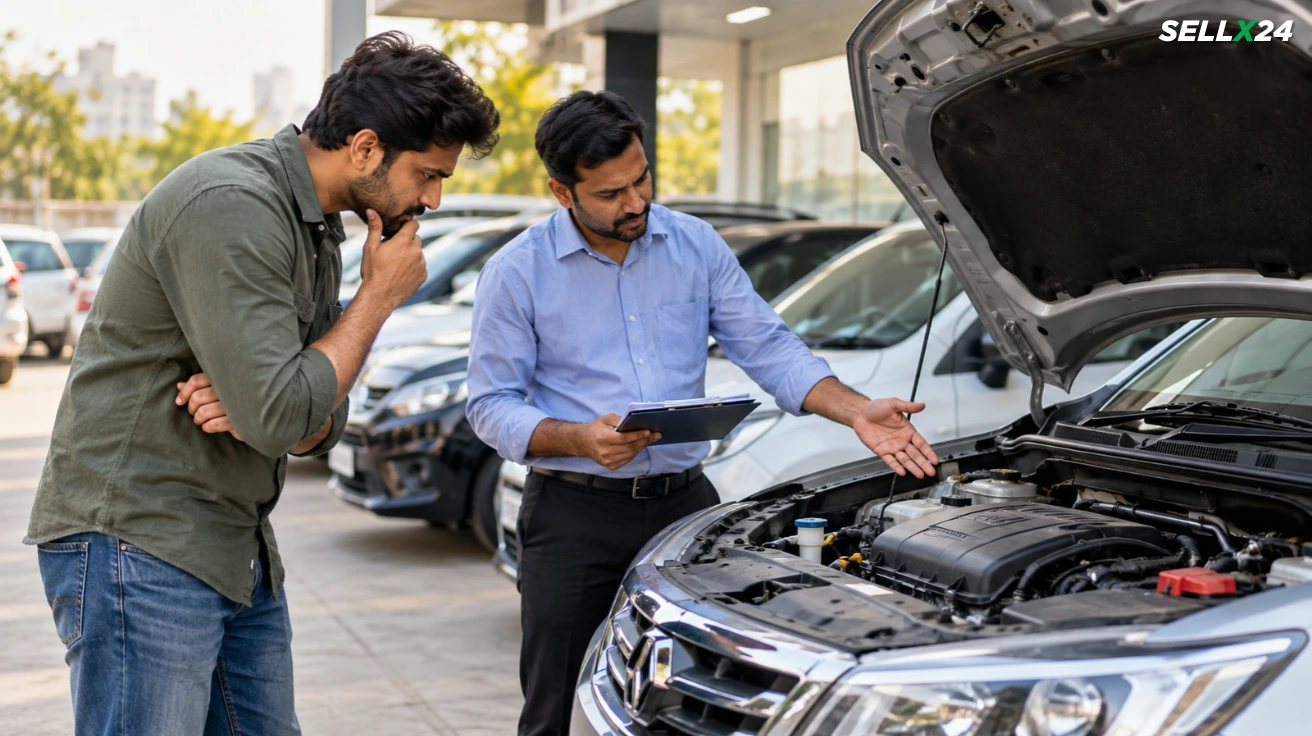
Tyres, if they're older than five years, regardless of tread. The battery if it's past three. Clutch, suspension bushes and the AC compressor are what most often turn a good deal into an average one. On a timing-belt engine with no record of the belt being changed on schedule, assume it's due and get a quote before you negotiate. Keep ₹25,000 to ₹40,000 aside.
The best used cars under 5 lakhs are rarely the cheapest listings. They're the boring ones: a single-owner Wagon R or Grand i10 with a stack of service invoices, an owner who answers questions directly, and a price that's 10,000 above what you hoped to pay. Take that one. The car that's 40,000 cheaper with a vague history and a freshly polished engine bay will cost you the difference within a year, usually at an inconvenient moment.
FAQs
1. What kind of car can I realistically buy under 5 lakhs in 2026?
A petrol hatchback that's five to nine years old with 50,000 to 90,000 km on the clock, or an older mid-size sedan like a 2013 to 2015 Honda City. You won't find a recent SUV at this price. Anything below three lakh is usually pre-BS-IV and carries a bigger repair backlog.
2. Which used car under 5 lakhs is safest to buy?
On crash safety, the Tata Tiago, which took 4 stars in Global NCAP testing. On mechanical risk and running cost, the Maruti Wagon R, because parts are cheap and any mechanic can fix it. The Swift sits between the two and holds its resale value better than either.
3. Is a used diesel car worth it under 5 lakhs?
Rarely. Diesels in this budget have typically crossed 1.2 lakh km, and one injector or turbo job can cost a third of the car's value. It only makes financial sense at roughly 1,500 km a month on highways. Petrol or factory-fitted CNG is the safer choice for city driving.
4. How much does RC transfer cost and how long do I have?
You have 14 days from the sale under Section 50 of the Motor Vehicles Act. The Rule 81 fee is roughly ₹300 to ₹500 for a car, plus about ₹200 for the smart card. State RTOs add their own service and postal charges, so the total varies by state and can change.
5. Can I buy a 12-year-old petrol car if I live in Delhi NCR?
Only with care. Since December 2025, protection from coercive action applies to BS-IV and newer vehicles, so a BS-III car is exposed even if it's under 15 years. Check the emission norm and the month of manufacture, not just the registration year, before you pay.