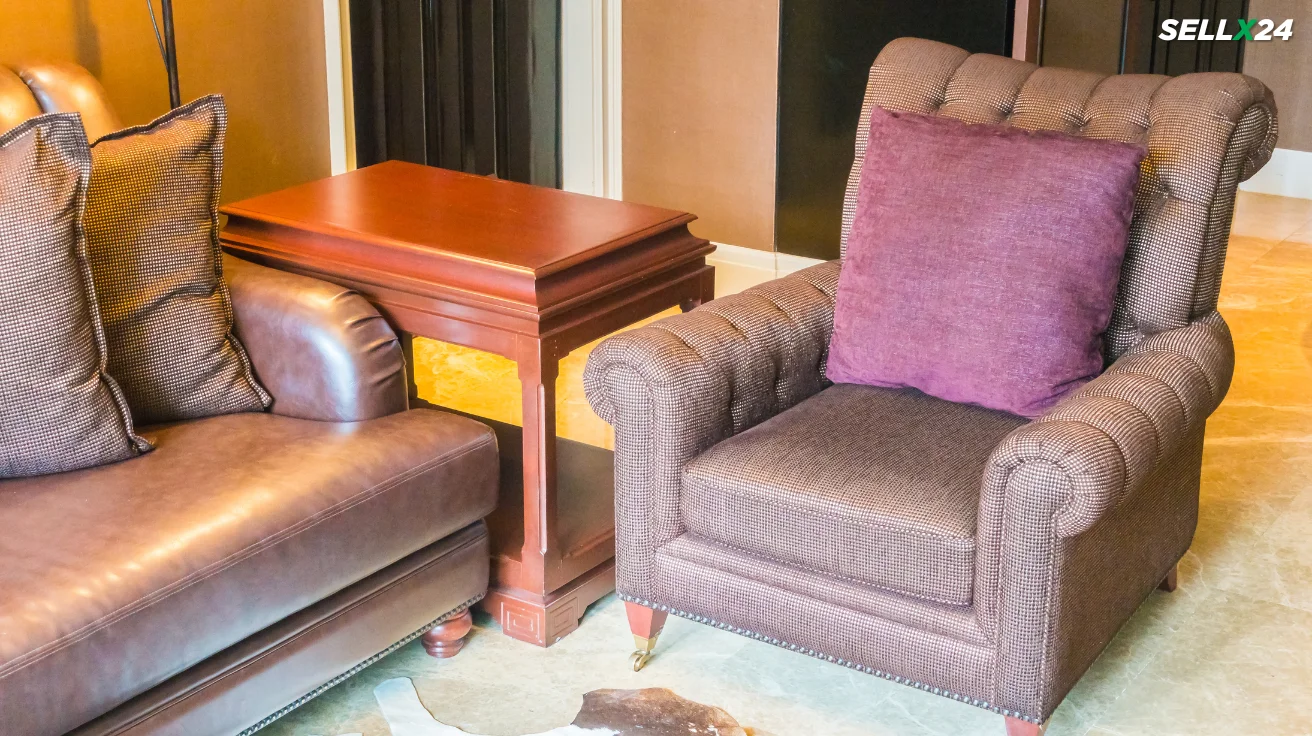
If you are setting up a home in India on a tight budget, second-hand furniture is one of the smartest moves you can make. You can easily save 40–70 percent compared to similar-quality new pieces, especially for solid wood beds, wardrobes, and sofas.
The second-hand market has grown fast in metros and tier-2 cities because of frequent relocations, rentals, and startups that buy and sell furniture often. On top of that, reusing furniture cuts waste and reduces the environmental impact of new wood and board production.
Best online places to find used furniture
You don’t have to roam local markets all day. Most good second-hand deals now show up online.
Popular options across Indian cities include:
- OLX and Quikr for everything from beds and wardrobes to study tables and office chairs.
- Facebook Marketplace for hyper-local deals where you can often negotiate and pick up the same day.
- Refurbished platforms and classified sites like NoBroker and similar apps that curate used furniture listings for urban buyers.
- City-specific marketplaces that offer old furniture with basic quality checks and quick delivery.
For big pieces like a double bed or a six-seater dining table, buying locally helps because transport is cheaper and you can inspect the item before paying.
Start with a clear budget and list
Going online without a plan is how you end up with a random beanbag and no wardrobe. Start with a simple list.
- List your must-haves
Focus on what you actually need to live comfortably: - Bed and mattress
- Wardrobe or storage
- Work/study table and chair
- Basic seating like a sofa or a couple of armchairs
- Set a realistic budget per item
Instead of thinking “I have 50,000 in total,” break it down: maybe 12k for a bed, 8k for a wardrobe, 10–15k for a sofa depending on the city and condition. - Measure your space
Many people forget this and then realise the wardrobe doesn’t fit the bedroom door. Measure wall lengths, door frames, and lifts or staircases, and cross-check with the size of the furniture mentioned in the listing.
This clarity stops impulse buys and helps you negotiate confidently.
How to search smarter on marketplaces
Online marketplaces are crowded, but a bit of strategy helps you find the good stuff faster.
Use focused search filters:
- Filter by location within a few kilometres to keep delivery or pickup simple.
- Select “used” or “refurbished” and choose “good” or “like new” condition where available.
- Sort by “newest first” so you see fresh listings before others grab them.
Pay attention to the listing quality:
- Clear photos from multiple angles are a good sign; blurry, dark pictures often hide damage.
- A decent description that mentions material (sheesham, teak, MDF), age, and usage is better than “good condition sofa, hardly used.”
Before you step out to inspect, ask the seller for:
- Close-up photos of any scratches, tears, or stains.
- A quick video of drawers opening, doors closing, and the bed frame or sofa being pressed or shaken.
This saves you wasted trips.
Things to check before buying used furniture
This is the part that protects you from termites, sagging sofas, and regret. Treat inspection like a mini health check for the furniture.
1. Wood type and overall build
Solid wood like teak, sheesham, and oak is usually stronger and ages better than particle board or low-grade MDF. You can often tell by:
- Weight: Solid wood pieces feel heavy for their size.
- Grain: Natural, uneven wood grain instead of a printed or paper-like finish.
- Edges: MDF and particle board often have smooth, uniform edges with a laminated layer on top.
Check construction quality:
- Joints should feel tight, with no wobbling when you shake the bed, table, or chair.
- Drawers should slide smoothly without getting stuck.
- Screws and hinges should not be rusted or bent.
If the structure is solid, small scratches and faded polish can be fixed later with sanding and varnish.
2. Termite signs and other pests
In India, termite damage is a serious issue, especially in wooden beds, wardrobes, and door frames. Spend a few extra minutes checking for:
- Hollow sound: Tap along legs, side panels, and bed frames. If it sounds hollow, termites may have eaten the inside.
- Powder or fine dust: Look for small piles of powder or wood dust under furniture, inside corners, or near hinges, a strong sign of infestation.
- Small holes and tunnels: Check for tiny holes, mud tubes, or maze-like patterns on the surface.
- Weak or crumbling areas: Press gently along edges; soft or brittle spots can indicate past or active termite damage.
If you see fresh powder or active mud tubes, skip that piece. Treating termites later often costs more than buying a better item upfront.
3. Structural damage and stability
You don’t want a bed that squeaks with every turn or a chair that threatens to collapse.
Check:
- Beds: Shake the headboard and footboard, sit on the edge, and lie down. Listen for creaks and feel for sagging in the middle.
- Sofas: Sit on all sections, not just the centre. If you sink too deeply on one side or hear cracking sounds, walk away.
- Tables and chairs: Place your hands on opposite corners and gently rock them. Any wobble means loose joints or uneven legs.
Minor looseness from screws can be fixed, but cracked load-bearing parts like bed side rails or chair legs are usually not worth it.
4. Upholstery, cushions, and smell
Fabric and foam are where hygiene issues show up.
You should:
- Look for dark stains, mould spots, or dampness on sofas, mattresses, and chairs.
- Smell the furniture up close; a strong musty or smoky smell is very hard to remove.
- Press cushions and mattress areas; if they don’t bounce back at all, the foam might be dead and need replacement.
A simple guideline: if the fabric looks very dirty or smells bad, assume a deep clean or reupholstery cost and see if the final price still makes sense.
5. Metal parts, hardware, and moving components
Modern furniture has many metal and moving parts that can tell you how well the piece was used.
Check:
- Hinges and channels: Open and close wardrobe doors and drawers fully to see if they jam, squeak, or come off track.
- Bed fittings: Look under the bed for metal brackets and support rails; avoid pieces where the central support is bent or loose.
- Rust: Surface rust on screws is normal, but heavy rust on main support parts weakens the structure over time.
Missing handles or knobs are minor, but damaged hinges and channels can be annoying and costly to replace.
Hygiene and safety checks before bringing items home
Before you shift used furniture into your home, especially where kids or elders live, do a quick safety and hygiene routine.
- Clean thoroughly: Vacuum corners, wipe with mild soap solution, and let the piece dry completely in sunlight if possible.
- Inspect again for pests: After cleaning, recheck for termite dust, small insects, or hidden mould.
- Tighten everything: Go over all screws, bolts, and fittings with a basic tool kit so the furniture feels solid from day one.
For wooden pieces in areas prone to termites, some Indian home improvement guides suggest preventive treatments or professional inspection if you suspect risk.
Smart negotiation and closing the deal
Most second-hand furniture prices online are negotiable, and polite bargaining is normal in India.
You are in a stronger position if you:
- Compare a few similar listings so you know the usual price range.
- Point out genuine issues like scratches, faded polish, or older foam, and quote a fair price instead of just saying “last price.”
- Offer quick pickup or payment, which many sellers value, especially when they are relocating.
If you are buying multiple items from one seller, ask for a package deal on the whole lot, including delivery.
Making second-hand furniture look fresh in your home
A big reason people hesitate with used furniture is that they fear their home will look mismatched or dull. The good news is that small tweaks go a long way.
Simple upgrades that work:
- Sanding and re-polishing wooden surfaces to refresh the finish.
- Changing handles and knobs on wardrobes and cabinets to match your style.
- Adding clean covers, throws, and cushions to instantly update older sofas and chairs.
With a bit of creativity, you can build a home that feels personal and comfortable, not generic, while keeping your budget in control.